
What Does a Wedding Videographer Capture? A New Orleans Wedding Film Guide

Updated: Oct 12
Photography preserves individual moments. Wedding videography preserves how those moments moved, sounded, and unfolded.
A wedding film can capture the sound of your vows, the reactions of your family, speeches from people you love, live music, first dances, second lines, and the energy of the reception in ways still photographs cannot.
Understanding what a wedding videographer actually captures can help you decide how much coverage you need and which final films matter most to you.
As a New Orleans wedding videographer, I focus on capturing authentic moments, clear audio when included in the selected coverage, and the energy of the wedding day through documentary-style filming and thoughtful editing.
What Does a Wedding Videographer Usually Capture?
Wedding video coverage is normally planned around the major parts of the wedding timeline.
Depending on the amount of coverage booked, this may include:
Getting ready
Wedding details
First look or first touch
Ceremony processional
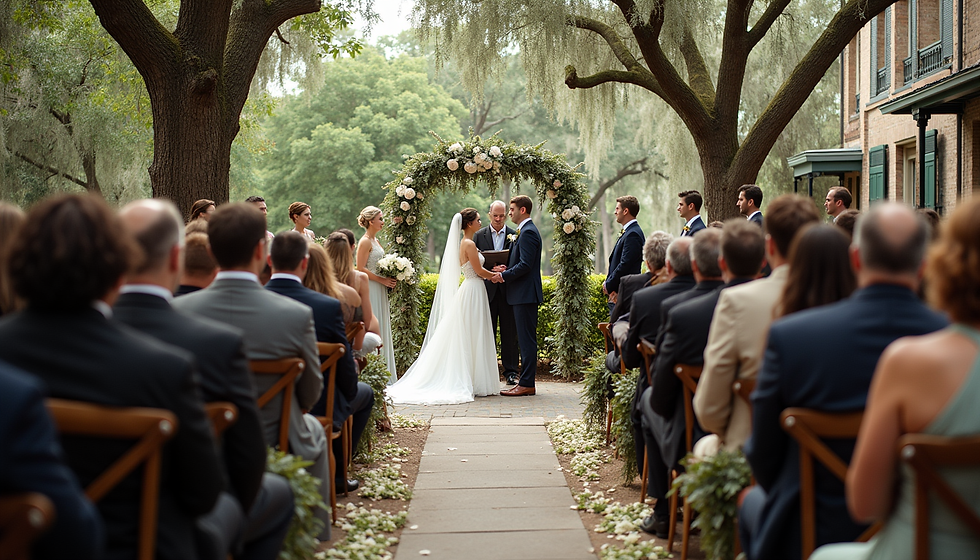
Vows
Ring exchange
First kiss
Family and wedding-party moments
Couple portraits
Reception entrance
First dance
Parent dances
Toasts and speeches
Cake cutting
Live entertainment
Dance-floor coverage
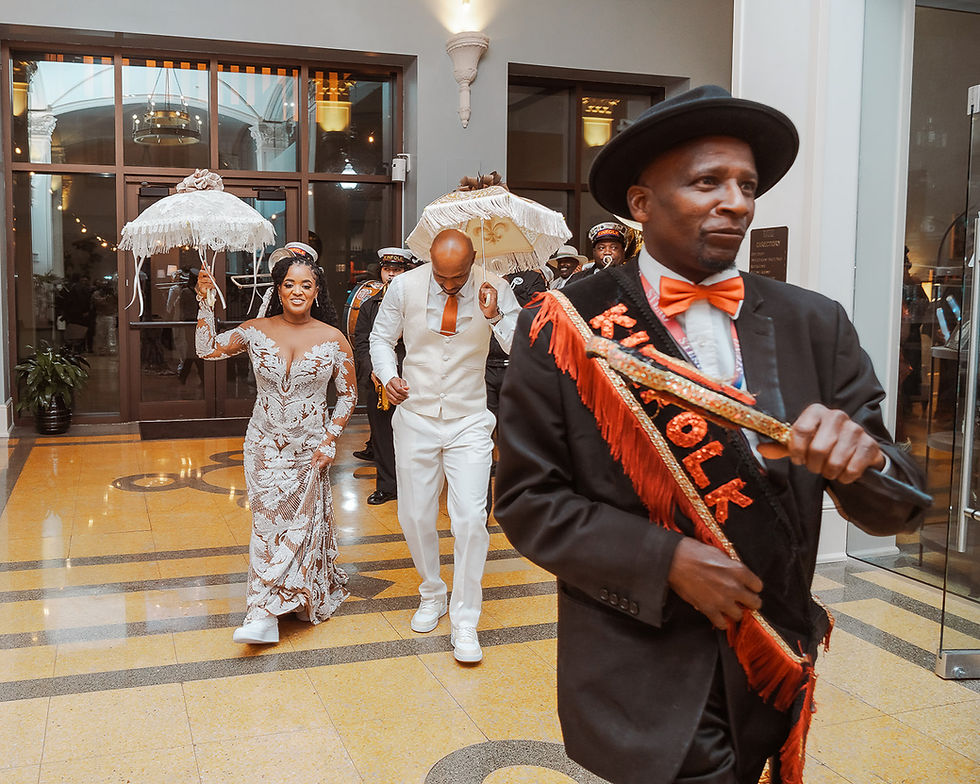
Second line
Grand exit
Not every wedding includes every moment. Your videographer should build coverage around your actual timeline rather than work from a generic shot list.
Why Wedding Audio Matters
Audio is one of the biggest differences between wedding photography and wedding videography.
Video can preserve:
Personal vows
Ceremony readings
Officiant remarks
Letters
Toasts
Speeches
Live music
Reactions and laughter
Professional wedding video coverage may use microphones and backup recorders to capture important audio clearly.
Audio planning is particularly important when ceremonies and receptions take place in different locations or when the wedding includes live music, brass bands, DJs, or outdoor events.
Highlight Film vs. Full Ceremony Video
Wedding videographers may offer several different types of final films.
Highlight Film
A highlight film is a shorter edited recap of the wedding day. It usually combines important moments, movement, music, reactions, details, and selected audio into one polished film.
Full Ceremony Edit
A full ceremony edit preserves the ceremony from beginning to end rather than condensing it into a highlight.
This can be especially valuable for couples who want to preserve the full vows, readings, religious traditions, music, and ceremony remarks.
Teaser or Social Film
A teaser is a short edit designed for quick viewing and sharing shortly after the wedding.
Vertical versions may also be created for Instagram Reels, TikTok, and other social platforms.
Longer Wedding Film
Some couples choose a longer feature or documentary-style film when they want more of the wedding day preserved than a short highlight can include.
Before booking, ask exactly which films are included in the package.
My New Orleans wedding videography packages start at $1,750 for eight hours of Bronze coverage and a professionally edited highlight film. Silver adds professional audio and a full ceremony edit. Gold expands coverage to ten hours and includes a second videographer and reception events edit, while Platinum adds a trailer film and three social media clips. You can compare current prices and complete inclusions on my Wedding Videography Packages & Pricing page.
How Much Wedding Video Coverage Do You Need?
The amount of coverage depends on what parts of the wedding you want documented.
Shorter coverage may work for:
Elopements
Micro-weddings
Ceremony-focused weddings
Couples primarily interested in a highlight film
Longer coverage is usually better when you want:
Getting-ready footage
Multiple locations
Full ceremony coverage
Couple portraits
Reception entrances
Speeches
Formal dances
Live entertainment
Second-line coverage
Late-reception dancing
If important moments are spread throughout the day, more coverage allows the videographer to tell a more complete story without rushing between locations.
Wedding Videography for New Orleans Second Lines
Second lines require a different approach from a traditional ceremony or ballroom reception.
The videographer may need to capture:
Couple and wedding-party movement
Brass band performance
Guests dancing
Crowd reactions
Wide views of the route
Street atmosphere
Handkerchiefs and umbrellas
Arrival at the reception or final destination
Because the group is constantly moving, the videographer should know the route, timing, starting point, ending point, and transportation plan before the wedding.
Audio can also be challenging because of the band, street noise, and movement.
How Wedding Videographers Handle Low-Light Receptions
Many New Orleans wedding venues become significantly darker once the reception begins.
Wedding videographers may use:
Fast lenses
High-sensitivity cameras
Stabilized cameras
Controlled video lighting
Available venue lighting
The goal is generally to maintain the atmosphere of the reception while keeping important people and moments visible.
This becomes particularly important during first dances, speeches, cake cutting, live performances, and dance-floor coverage.
Should You Book Wedding Photography and Videography Together?
Photography and video serve different purposes, but both teams work through the same wedding timeline.
When photographers and videographers coordinate well, they can plan around:
First looks
Couple portraits
Family formals
Ceremony positioning
Audio setup
Reception entrances
First dances
Toasts
Second lines
Night portraits
Booking the same company for photography and videography can simplify communication, but it is not required.
The important part is making sure both teams understand the timeline and can work together without blocking each other's coverage.
I offer both New Orleans wedding photography and videography, allowing couples to coordinate both services through one provider. Planning them together helps establish camera positions, portrait timing, lighting considerations, and coverage of important events such as ceremonies, first dances, and second lines.
Questions to Ask Before Booking a Wedding Videographer
Before choosing a videographer, ask:
How many hours of coverage are included?
What length is the highlight film?
Is ceremony audio recorded?
Is a full ceremony edit available?
Are speeches and toasts recorded?
Is reception coverage included?
How many cameras are used during the ceremony?
Is drone footage available?
Are social-media clips available?
Is raw footage available?
What is the delivery timeline?
How is the final video delivered?
Do you have experience with second lines or live music?
How do you work alongside the photographer?
For my wedding videography packages, highlight films are typically delivered within 6–10 weeks. Teasers and trailers are generally delivered within 3–7 days when included, while longer documentary-style edits may require 8–12 weeks. The exact delivery schedule is outlined in your wedding agreement, with expedited options available when production scheduling permits.
Knowing exactly what is included makes it much easier to compare packages accurately.
Choosing Wedding Video Coverage in New Orleans
The right wedding video package depends on how much of the day you want preserved and which moments matter most to you.
Some couples mainly want a short highlight film. Others want their complete ceremony, vows, speeches, dances, second line, and reception documented.
Start with your timeline, identify the moments you do not want to lose, and then choose enough coverage to capture them without rushing the day.
Ready to plan your wedding film? Contact Chad Populis Photography with your wedding date, venue, estimated timeline, and the moments you want preserved. I'll help you determine the right coverage and film deliverables for your celebration.


Comments