
Planning Your Outdoor Professional Brand Session


Updating your professional photos is about more than just getting a few nice portraits. The right images help shape a strong first impression before someone ever reaches out, books a service, reads your bio, or visits your office. Whether you are updating your website, refreshing your branding, or building content for social media and marketing, a good portrait session should create images that feel polished, approachable, and true to you.
For this kind of session, the goal is to create a set of photos that feels professional without being overly formal or stiff. An outdoor location like City Park is often a great fit for that balance. It provides natural light, clean backgrounds, and a more relaxed atmosphere that helps produce images that feel modern, confident, and personable.
This guide walks through what to expect, how to prepare, what to wear, and the kinds of images we’ll create so the session feels easy, productive, and tailored to your goals.
The goal of a professional portrait session
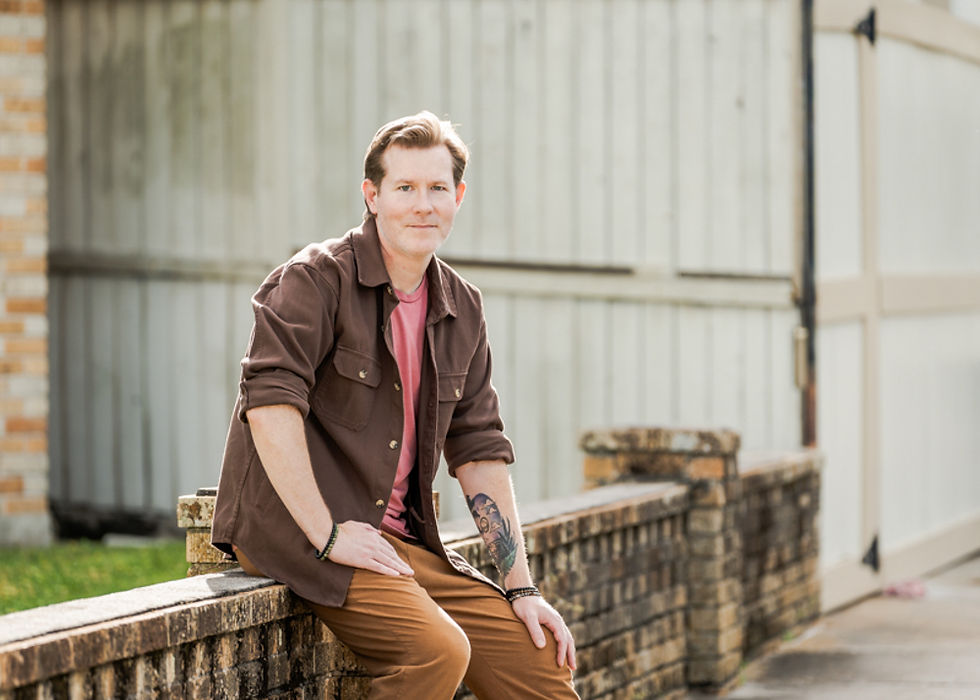
A strong professional session should do more than provide one headshot. It should give you a variety of images you can actually use across your website, about page, service pages, LinkedIn, social platforms, speaking materials, press features, marketing campaigns, and future content.
The most effective portraits usually feel natural, confident, and approachable. They should reflect who you are and how you want to be perceived. For some professionals, that may mean polished and elevated. For others, it may mean relaxed, modern, and conversational. In many cases, the best result is a blend of both.
The goal is to create a gallery that feels cohesive, useful, and versatile.
Why outdoor portraits work so well
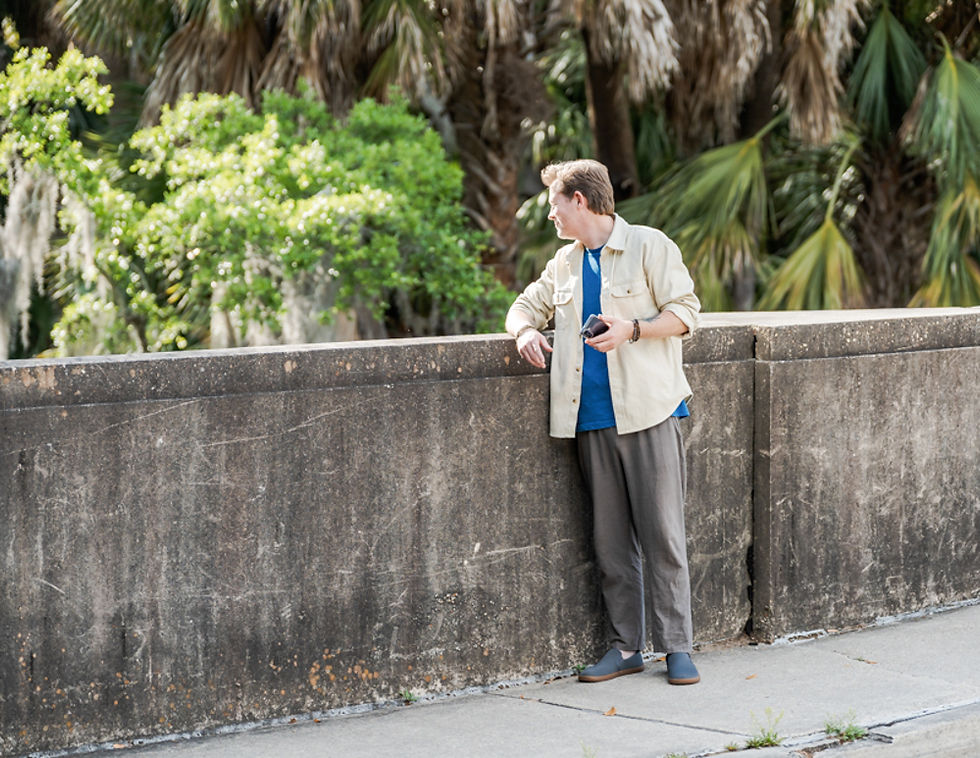
Outdoor portrait sessions often create a softer, more current look than a traditional studio-only approach. A location like City Park offers natural light, greenery, texture, walkways, and open space, all of which help create visual variety without distracting from the subject.
Outdoor settings also help portraits feel more relaxed and less rigid. That can be especially helpful if you want images that feel welcoming and human while still maintaining a professional standard.
When chosen carefully, an outdoor location gives enough variety to create portraits that work across multiple uses without making the final gallery feel repetitive.
What your session should include
A well-planned extended session gives you enough time to move beyond a few standard headshots. It allows for multiple outfit options, different backgrounds, and a wider range of expressions and compositions.
That extra time is valuable because it creates room for:
polished portraits
casual-professional looks
seated and standing images
walking and movement shots
wide compositions for website banners
tighter crops for profile images
Instead of rushing through one setup, the session becomes a chance to build a strong library of professional imagery you can use in different ways.
The types of images we’ll create
A strong gallery usually includes a mix of portraits designed for different purposes.
Some images will be clean and direct, with eye contact and polished posture. These are ideal for about pages, profile photos, professional bios, and key brand placements.
Other images may feel more relaxed and natural, using movement, softer expressions, or environmental backgrounds to create a less formal look. These work especially well for websites, social media, and content where you want to feel accessible and personable.
Wider images are also important. These are helpful for homepage banners, page headers, promotional graphics, and anywhere text may need to be placed over the image.
The goal is not just variety for the sake of variety. It is to create images that serve real purposes.
How to dress for your session
The best wardrobe choices usually feel like a polished version of how you naturally present yourself. Clothing should support the tone of your brand while still feeling comfortable and authentic.
A strong plan is to bring two or three looks:
one more polished and professional
one more relaxed professional
one optional layered variation for quick changes
Colors that photograph well tend to be neutrals, soft blues, olive, cream, tan, gray, charcoal, and muted earth tones. Subtle texture is often a good choice because it adds depth without overwhelming the image.
It is best to avoid large logos, loud prints, neon tones, and anything that feels distracting on camera. Fit matters just as much as color. Clothing that is comfortable, well-fitted, and easy to move in will always photograph better than something trendy but awkward.
Grooming and preparation tips

A little preparation can make a big difference in how the session feels and how the final images look.
If you plan to get a haircut or grooming touch-up, it is usually best to do that a few days before the session rather than immediately beforehand. Bring a lint roller, water, and an extra top if possible. If you wear glasses, it helps to bring a cleaning cloth so they stay clear and free from smudges.
Getting good sleep, staying hydrated, and arriving without feeling rushed will help you look more relaxed and comfortable in front of the camera.
These small details are often what make the session feel smooth and enjoyable.
What to expect during the session
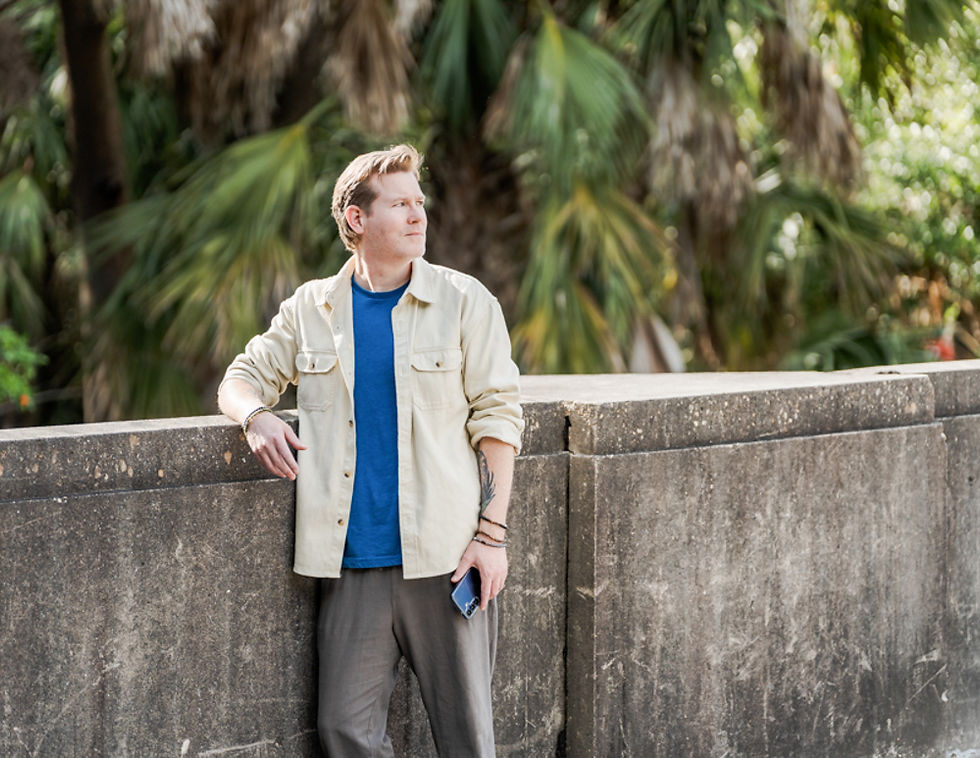
You do not need to know how to pose before arriving. Direction is part of the process.
Throughout the session, you’ll be guided on posture, body angle, hand placement, expression, and movement. We usually begin with simple standing portraits to help you settle in and get comfortable. From there, we build into more natural variations that feel less posed and more effortless.
The goal is not to make you perform. It is to help you look like the strongest and most natural version of yourself.
Because these photos are meant to be useful, the session is also planned with real-world use in mind. That means creating both horizontal and vertical options, close portraits and wider compositions, and a variety of expressions and crops.
The kinds of poses that work best

The most effective professional poses usually feel relaxed, confident, and open.
Simple standing portraits with a slight body angle are timeless and clean. Walking portraits can create a more natural, modern feel. Seated portraits often feel grounded and approachable. Small movements like adjusting a sleeve, shifting posture, or turning slightly off camera can create images that feel polished without looking overly posed.
Hand placement matters more than most people expect. Keeping the hands relaxed, lightly engaged, or occupied with a natural movement helps the image feel intentional. The goal is always to avoid poses that feel stiff, forced, or overly corporate unless that is specifically the brand direction you want.
Expressions that photograph well

The strongest expressions are usually the ones that feel calm, natural, and engaged.
That may be a slight smile, a neutral expression with warmth, or a more confident direct look. Good portraits do not always require a broad smile. Often, the best expression is one that feels steady, open, and believable.
Instead of thinking about “smiling for a photo,” it helps to think about the impression you want to give. Professional, approachable, thoughtful, confident, friendly, refined, or relaxed are all useful directions depending on your brand.
A typical session flow

A longer session gives us time to work with intention and build real variety.
We usually start with the most polished look while energy is fresh. From there, we move through classic portraits, mid-length images, wider website-friendly frames, and a few more relaxed setups. Once the first look is covered, we can shift into a second outfit and explore more natural movement, seated portraits, or environmental compositions.
Toward the end of the session, we revisit the strongest setups, fill any gaps, and make sure we have the images that are most likely to be useful across your site and brand materials.
That pacing keeps the session relaxed while still creating a complete gallery.
What a strong final gallery should include
The best final gallery usually includes more than one type of image.
You’ll want a clean portrait for your about page or profile image, a more relaxed image for your homepage or social use, a wider photo with negative space for website text, and a few additional images that work across different crops and layouts.
A useful gallery often includes:
direct-to-camera portraits
relaxed natural expressions
vertical and horizontal compositions
close portraits and mid-length images
wide banner-friendly images
a few candid or movement-based options
That variety helps your images stay useful long after the session is over.
Helpful things to think about before the shoot
Before the session, it helps to think through how you want to be seen. What do you want people to feel when they land on your website or view your profile? Do you want the work to feel elevated and polished, relaxed and welcoming, modern and creative, or a balanced mix?
It also helps to think about where the images will be used. Website banners, service pages, press features, LinkedIn, social media, and speaking materials may all require different crops and different visual moods.
The more clearly those goals are defined, the more intentional the session can be.
Questions to consider before your session
To tailor the session to your needs, it helps to think through a few key questions ahead of time.
What is the overall tone you want your brand to communicate? What kind of clients, audience, or customers are you hoping to connect with? Do you want your photos to feel more polished, more relaxed, or a mix of both? Are there any existing photos of yourself that you like or dislike? Do you want a blend of direct eye contact and candid-looking imagery?
Will you need wider website banner images in addition to standard portraits?
The answers to these questions help shape everything from wardrobe and posing to location flow and final image selection.
Final thoughts
A professional portrait session should create more than a few good photos. It should give you a visual library that feels aligned with your work, your personality, and the way you want to present yourself.
Great professional images do not need to feel stiff or overly formal to be effective. In many cases, the strongest portraits are the ones that feel polished, approachable, and real.
An outdoor session is a great way to create that balance. With the right planning, wardrobe, direction, and variety, the final gallery can give you images that not only look strong, but work hard for your brand across every platform where you show up.
Short Prep Checklist
Before your session, a little preparation can make a big difference in both how the experience feels and how the final images turn out.
Get a good night of sleep the night before.
Drink water and avoid arriving rushed.
Bring 2 to 3 outfit options.
Steam or iron clothing ahead of time.
Pack a lint roller, water, and any touch-up items you may need.
If you wear glasses, bring a cleaning cloth.
Empty pockets before we begin shooting.
Bring shoes that match each outfit.
If getting a haircut or grooming touch-up, do it a few days before the session rather than the same day.
Think about where the photos will be used so we can create the most useful images for your brand.
Wardrobe Tips
The best wardrobe choices usually feel like a polished version of how you naturally present yourself. Your clothing should support the overall tone of your brand while still feeling comfortable and authentic.
A good approach is to bring:
one polished professional look
one relaxed professional look
one optional layer such as a jacket, sweater, or overshirt for added variety
Colors that tend to photograph well include:
navy
gray
cream
tan
olive
soft blue
muted earth tones
simple neutrals
What usually works best:
clean lines
well-fitted clothing
subtle texture
minimal distractions
outfits you can move comfortably in
What to avoid:
large logos
loud patterns
neon colors
heavily wrinkled clothing
anything too tight, too loose, or needing constant adjustment
If you are unsure what to bring, choose pieces that feel timeless, clean, and aligned with how you want clients or visitors to see you online.
Short Questionnaire Section
Before the session, it helps to think through a few details so the final gallery feels more intentional and useful.
Where will these images be used?
Website, LinkedIn, social media, speaking materials, press, marketing, or all of the above?
What overall feeling do you want the photos to communicate?
Professional, approachable, relaxed, polished, modern, creative, or something else?
Do you want the session to feel more formal, more casual, or a mix of both?
Do you prefer mostly direct-to-camera portraits, more candid natural images, or a combination?
Are there any current photos of yourself that you like or dislike?
Will you need wide banner-style images with extra space for website text?
How many outfits are you planning to bring?
Is there anything specific you want to make sure we capture during the session?

Comments