
Dancing on the Clouds First Dance: New Orleans Wedding Photography Tips
- Chad Populis

- May 2, 2024
- 6 min read

A couple’s first dance is one of the few reception moments when the room slows down and everyone’s attention is in one place. With the right timeline, lighting, and dance-floor setup, it can also produce some of the strongest photographs and video clips from the wedding day.
A low-lying fog effect—often called “dancing on the clouds”—can create a clean, dramatic background while keeping the couple visible above the fog.
Fog Machine Service Update
Chad Populis Photography and Noré Event Rentals no longer provide fog machine rentals or fog machine services for weddings and events in New Orleans.
This article remains available as a planning resource for couples considering a dancing-on-the-clouds first dance through another qualified event-effects provider. We are not offering a replacement fog machine service at this time.
Planning your wedding now? Review my New Orleans wedding photography services for information about coverage, timeline support, guided posing, clean edits, and private gallery delivery.
What Is a Dancing-on-the-Clouds First Dance?
A dancing-on-the-clouds effect uses a low-lying fog machine to keep the fog close to the dance floor. When properly set up, it creates the appearance that the couple is dancing above a layer of clouds.
The effect is different from standard theatrical fog, which may rise and spread throughout the room. Low-lying fog is intended to remain closer to the floor, although the result depends on the equipment, room temperature, ventilation, dance-floor size, and operator.
From a wedding photography perspective, the effect works best when the fog remains below the couple’s upper body and does not completely hide the dress, suit, or footwork.

Why Couples Use Fog During the First Dance
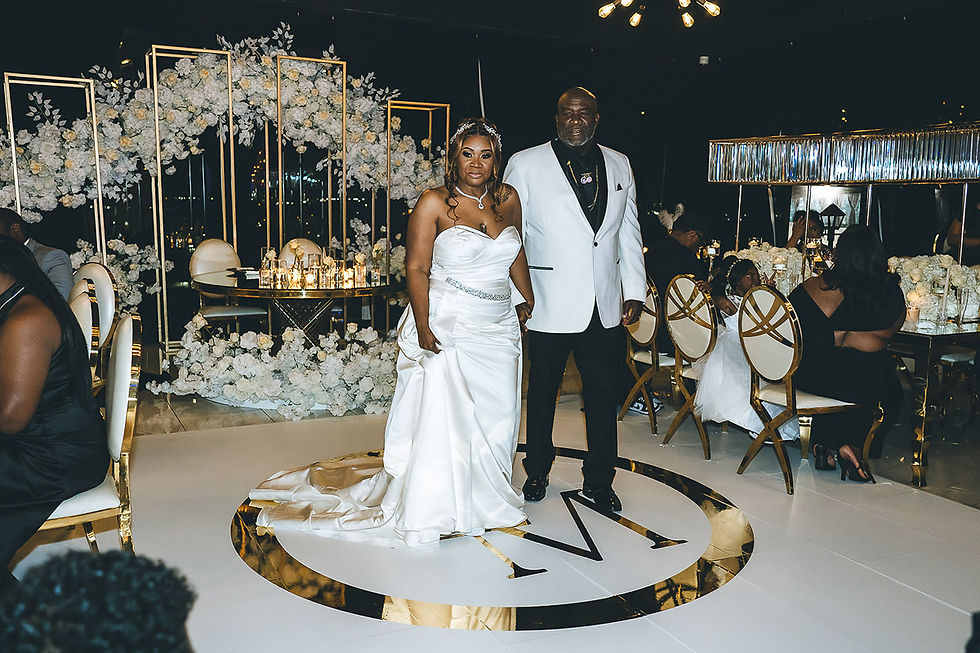
The first dance already provides a clear focal point. Adding low-lying fog can help separate the couple from the background and reduce some of the visual distractions found in a busy reception room.
It may also create:
A cleaner dance-floor background
More depth in wide reception photographs
Stronger silhouettes and backlit images
Additional movement in wedding video
A defined moment for guests to watch and photograph
A coordinated reveal with music and reception lighting
The effect should support the dance rather than become the entire focus. The couple, their expressions, and their interaction should still be the most important parts of the photographs.
You can view my featured New Orleans weddings to see how I photograph ceremonies, couple portraits, first dances, receptions, and other parts of the wedding day.
How Fog Affects Wedding Photography
Fog changes the way light moves through the reception space.
DJ lights, uplighting, spotlights, and camera flashes may become more visible when they pass through the fog. This can produce dramatic photographs, but it can also create heavy haze or bright reflections when the effect is not coordinated with the photography team.
Tell your photographer about the fog effect before the wedding day. I need to know:
When the effect will begin
How long it will run
Where the machines will be placed
How high the fog is expected to rise
Whether the room lighting will change
Whether cold sparks or other effects will be used at the same time
Where the couple will begin and end the dance
This information helps me plan camera angles, exposure, flash placement, and positioning before the first dance begins.
Couples adding video coverage should also share these details with the videography team. Learn more about my New Orleans wedding videography services and how photography and video can be coordinated around the same reception timeline.
For additional budgeting information, read my guide to wedding videography costs in New Orleans.
Choose the Right First-Dance Position
The couple should have a clear starting position before the fog is released.
Standing near the center of the dance floor usually gives the photographer and videographer more usable angles. Beginning too close to the DJ booth, speakers, floral arrangements, or fog equipment may limit the view.
Before the reception begins, confirm:
Where the couple will enter
Where the dance will start
Which direction they will face
Where the photographer and videographer can stand
Whether guests will surround the entire dance floor
Where the fog equipment and operator will be positioned
A short walkthrough can prevent equipment, guests, or decorations from blocking the main photographs.

Coordinate the Fog With the Song
The effect does not always need to begin the moment the song starts.
Allowing the couple to enter, settle into position, and begin dancing before the fog is released can create a cleaner sequence. The operator, DJ, planner, and photography team should agree on a clear cue.
The fog may be timed with:
The beginning of the first chorus
A turn, dip, or choreographed movement
A change in the song
A lighting transition
Cold sparks or another approved special effect
The final section of the dance
A short, controlled sequence is usually more effective than running the machine for the entire song.
Confirm the Venue’s Fog Machine Policy
Do not assume that an indoor New Orleans wedding venue allows fog machines.
Fog can affect smoke detectors, fire alarms, ventilation systems, floors, and nearby event equipment. Some venues may allow low-lying fog only when it is provided by an approved vendor. Others may require advance testing, proof of insurance, written approval, or coordination with building management.
Ask the venue:
Are low-lying fog machines permitted?
Is an approved vendor required?
Will the fire alarm system be affected?
Is a test required before guests enter?
Are there ventilation restrictions?
Does the ballroom floor require protection?
Are permits or additional fees involved?
Who must approve the setup?
Get the approval in writing when possible.
Still comparing locations? My New Orleans wedding venue guide includes photography considerations, portrait locations, timing guidance, and planning details for venues throughout the area.

Consider Guest Comfort
Even when a fog effect is approved by the venue, guest comfort should remain part of the planning process.
Some guests may be sensitive to fog, haze, fragrance, or airborne effects. Guests with asthma or other respiratory concerns may need additional distance from the dance floor.
The operator should follow the manufacturer’s instructions, use the correct materials, avoid excessive output, and keep the equipment supervised throughout the effect.
Use a Qualified Operator
A professional operator should manage the setup, testing, timing, and shutdown of the fog equipment.
They should understand:
The specific machine being used
Required clearances
Venue restrictions
Floor protection
Output levels
Ventilation
Emergency procedures
How to stop the effect quickly
The operator should also remain in communication with the DJ, planner, venue, photographer, and videographer.
Add Reception Lighting Carefully
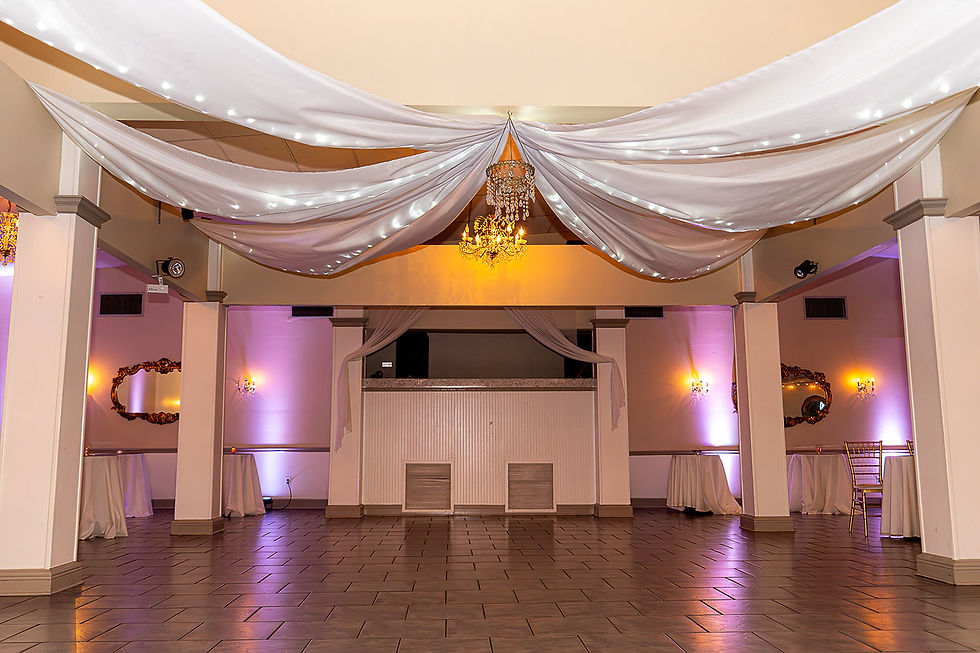
Fog becomes more visible when light passes through it, which makes reception lighting an important part of the final look.
Warm spotlights can produce a softer appearance, while colored DJ lights may create a stronger party atmosphere. Bright blue, purple, red, or green lighting can also affect skin tones and the color of the wedding attire.
For photographs that look polished and natural, I recommend keeping a clean light on the couple while using colored lighting mainly in the background or around the edges of the dance floor.
Completely darkening the room may look dramatic to guests, but it can make it harder to clearly photograph faces, expressions, and clothing details.
Practice Without Over-Rehearsing
You do not need a fully choreographed dance to get strong wedding photographs.
A few simple movements can create variety:
A slow turn
A comfortable hand position
A brief pause facing each other
A small dip
A forehead touch
A gentle walk around the dance floor
A final pose before the song ends
Your photographer can also help identify which direction to face during key parts of the dance. The goal is not to perform for the camera the entire time. It is to avoid spending the full dance with both faces turned away from the main photography angle.
Have a Backup Plan
Fog effects depend on equipment, venue approval, room conditions, and timing. Build a first dance that still works if the effect cannot be used.
The photography team can still create strong images through:
Professional flash
Backlighting
Uplighting
A clean dance-floor layout
Guest reactions
Wide room photographs
Close portraits
Black-and-white edits
A private final dance later in the reception
The fog should be an enhancement—not the only reason the first dance photographs well.
Plan the First Dance Around Your Wedding Timeline
The first dance often happens immediately after the reception entrance or later in the evening after dinner. Either option can work, but the timing should be communicated clearly.
Your photographer should know when to expect:
The grand entrance
First dance
Parent dances
Welcome remarks
Blessing
Dinner service
Toasts
Cake cutting
Second line
Open dancing
A clear timeline gives the photography, video, DJ, venue, and special-effects teams time to prepare before each major moment.
Book a New Orleans Wedding Photographer
A dancing-on-the-clouds effect can create strong first-dance images when the venue, operator, planner, DJ, photographer, and videographer are coordinated before the reception.
I photograph weddings throughout New Orleans, including the French Quarter, CBD, Garden District, City Park, Metairie, Gretna, the Westbank, and surrounding South Louisiana areas.
My wedding photography coverage includes clear communication, timeline support, guided posing, professional lighting, natural skin tones, clean edits, and a private online gallery with easy downloads and sharing.
Send me your wedding date, venue, ceremony and reception locations, estimated coverage time, and any reception effects you are considering. I’ll follow up with availability, package information, and the next steps for booking.

$50
Product Title
Product Details goes here with the simple product description and more information can be seen by clicking the see more button. Product Details goes here with the simple product description and more information can be seen by clicking the see more button

$50
Product Title
Product Details goes here with the simple product description and more information can be seen by clicking the see more button. Product Details goes here with the simple product description and more information can be seen by clicking the see more button.
$50
Product Title
Product Details goes here with the simple product description and more information can be seen by clicking the see more button. Product Details goes here with the simple product description and more information can be seen by clicking the see more button.


Comments